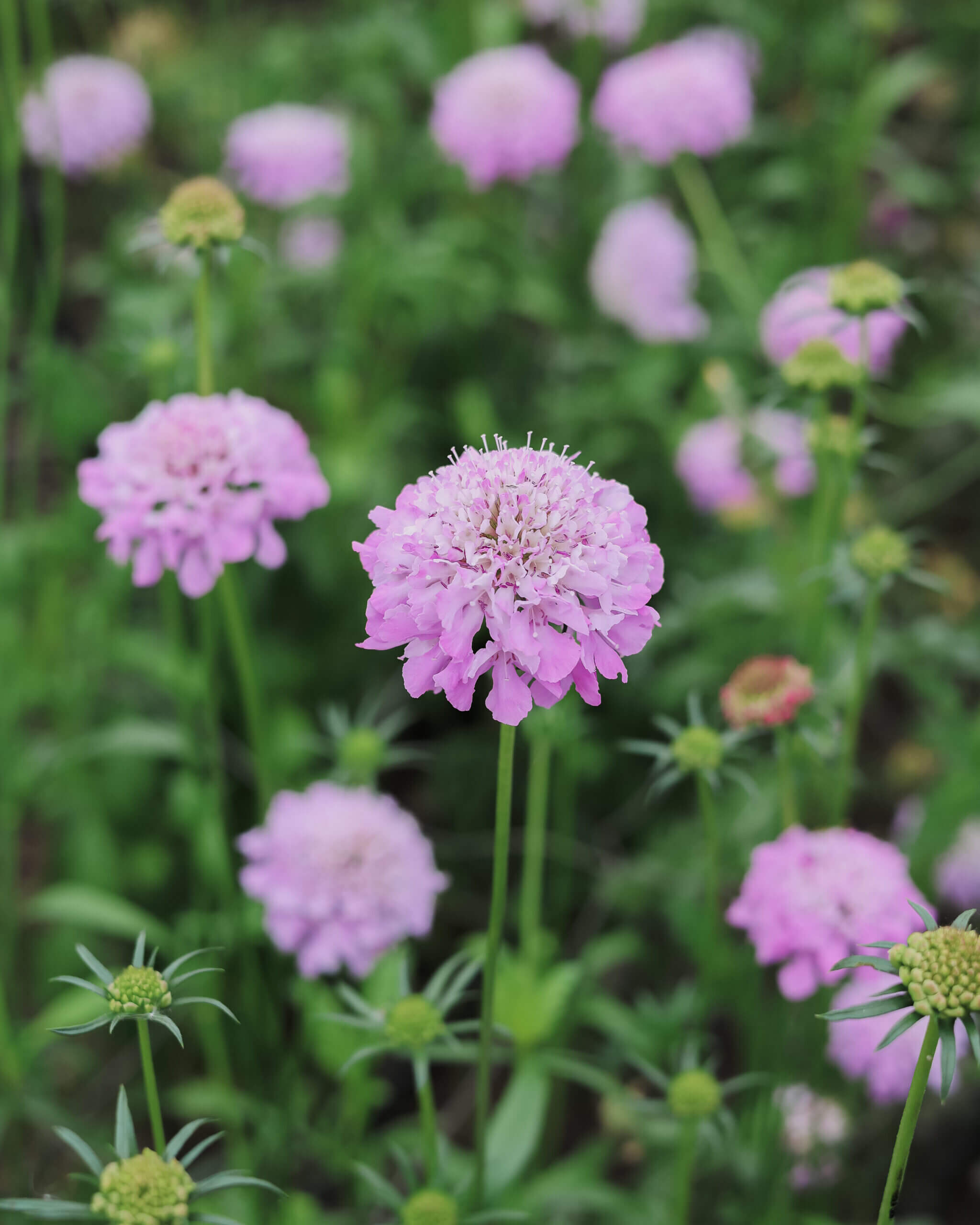
Your British flowers have brought you joy—days of beauty and that feel-good factor we all need. But even the longest-lasting blooms eventually fade. The good news? Their life doesn’t have to end when they leave the vase. Here are some lovely ways to keep enjoying them, waste nothing, and give those petals a second act.
Press Them into Memories
Pressed flowers are having a moment, and for good reason. They’re beautiful, surprisingly easy to make, and let you preserve flowers that mean something to you. Birthday blooms, anniversary flowers, or simply a stem that made you smile—pressing keeps them forever.
How to do it: Place flowers between sheets of absorbent paper (blotting paper, newspaper, even coffee filters work). Sandwich them inside a heavy book, add more weight on top if you have it, and leave for 2-4 weeks. Flat flowers like violas, cosmos, and single roses press beautifully. Once dry, use them in cards, frame them, or create botanical art.
Top tip: Pick flowers just before they’re fully open for the best results, and press them as soon as they start to fade rather than waiting until they’re completely spent.
Dry Them for Lasting Beauty
Dried flowers have moved beyond dusty relics gathering cobwebs—modern dried arrangements are gorgeous, textural, and can last for months or even years. Many British flowers dry brilliantly, keeping much of their color and all of their charm.
The hanging method: Bundle 5-8 stems together with an elastic band (stems shrink as they dry, so string can slip off), and hang them upside down in a warm, dark, dry place. An airing cupboard is perfect. Leave for 1-3 weeks depending on the flower type.
What dries well: Roses, lavender, strawflowers, statice, hydrangeas, thistles, achillea, sea holly, grasses, and seed heads all dry beautifully. Even foliage like eucalyptus works wonderfully.
What doesn’t: Very delicate flowers like sweet peas or poppies don’t hold up well to air drying, though you can try preserving them in silica gel if you’re feeling ambitious.
Once dried, arrange them in a vase without water, create wreaths, or simply keep them as they are. They make brilliant gifts too.
Create Natural Potpourri
Rose petals, lavender, scented geranium leaves—if your flowers have fragrance, they can become potpourri. Dry the petals using the same hanging method, then mix them in a bowl with a few drops of essential oil to boost the scent. Add dried citrus slices, cinnamon sticks, or whole spices for extra interest.
Pop it in a pretty bowl on your coffee table, tuck sachets into drawers, or package it up as gifts. It’s the original air freshener, and infinitely nicer than anything synthetic.
Compost Them
This might be the simplest and most satisfying option. Spent flowers make excellent compost—they’re full of nutrients that will feed your garden or houseplants. Just remove any string, elastic bands, or non-organic materials, chop up woody stems a bit, and add them to your compost bin or heap.
If you don’t have a compost system, you can still add petals directly to garden beds as mulch. They’ll break down and enrich the soil. It’s the circle of life, and it feels good to give back.
Float Them for One Last Hurrah
Before flowers are completely spent, individual blooms can have one last moment of glory floating in a shallow bowl or dish of water. Rose heads, dahlia blooms, or any full flower looks stunning this way. Pop them on your dining table or bathroom shelf for a final day or two of beauty.
Extra idea: Float them in a bath for a bit of luxury. Rose petals in particular make for a gorgeously indulgent soak.
Make Biodegradable Confetti
Planning a celebration? Dried petals make the most beautiful, completely natural confetti. Roses, cornflowers, delphiniums, and lavender all work brilliantly. Just dry the petals, and you’ve got something far prettier (and kinder to the planet) than anything you’d buy.
Many venues now insist on biodegradable confetti only, so this ticks all the boxes. Plus, you get to say “I made it from British flowers”—which is rather lovely.
Save Seeds for Next Year
Some flowers will produce seeds as they fade—cornflowers, nigella, calendula, and many wildflower types. If you’ve got a garden or even just a window box, collect those seeds and grow your own next year. Let the flower heads dry completely on the plant or in a paper bag, then shake out the seeds and store them in envelopes somewhere cool and dry.
It’s a beautiful way to keep the cycle going, and there’s something rather magical about growing flowers from seeds that once sat in your vase.
Create Natural Dyes
Feeling creative? Some flowers can be used to make natural dyes for fabric or paper. It’s a bit experimental and the colors can be subtle, but dahlia petals can produce yellows and oranges, while certain roses give soft pinks. You’ll need to simmer the petals in water, strain, and then soak your fabric with a mordant (like alum) to fix the color.
It’s not for everyone, but if you fancy a creative afternoon, it’s a lovely way to extend your flowers’ life into something completely different.
The point is, British flowers can bring joy long after they’ve left the vase. Whether you’re pressing, drying, composting, or creating, there’s a second life waiting for those petals. Nothing wasted, everything appreciated—that feels right, doesn’t it?ll get to enjoy them for days longer.